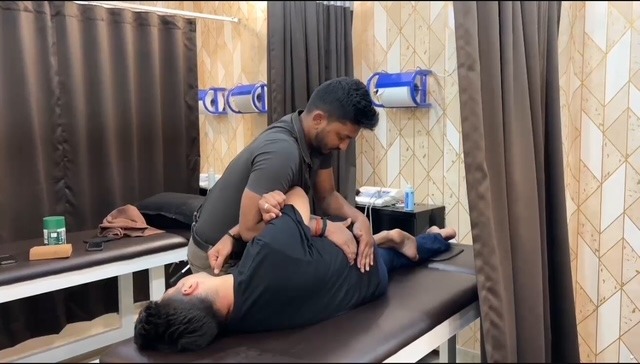
How Physiotherapy Can Improve Your Quality of Life
Transforming Pain into Progress: The Role of Physiotherapy in Everyday Wellness
1/13/20263 min read
When we think of physiotherapy, the first thing that often comes to mind is recovery from injury. While physiotherapy is certainly effective in helping individuals recover from accidents, surgeries, and sports injuries, its benefits go far beyond that. Physiotherapy is a powerful tool for managing chronic pain, improving mobility, and enhancing overall quality of life. Whether you’re looking to get back to your favorite sport or simply hoping to move more comfortably in your daily activities, physiotherapy can help you live a healthier, more active life.
Not Just for Injuries: Discover the Benefits of Physiotherapy for Chronic Pain and Overall Health
Many people suffer from chronic pain conditions, such as arthritis, back pain, or neck stiffness, that limit their ability to engage in physical activity and affect their daily life. Physiotherapy provides effective, drug-free pain relief by targeting the root causes of pain and developing treatment plans to address them. Through techniques like manual therapy, exercise, and posture correction, physiotherapy can provide long-term relief without the side effects of medications.
One of the key components of physiotherapy is its ability to focus on individualized treatment plans. Physiotherapists assess your specific condition and create a tailored approach to help manage pain. This means that whether your pain stems from a sports injury or an age-related condition, physiotherapy can be customized to your needs.
Physiotherapy: A Path to Pain Relief, Enhanced Mobility, and Better Health
Mobility is one of the most important aspects of overall well-being. We often take movement for granted, but when mobility is impaired due to injury or chronic conditions, everyday activities such as walking, standing, or even sitting can become painful. Physiotherapy plays a crucial role in improving and maintaining mobility. Through targeted exercises, stretching routines, and strength training, physiotherapists help individuals regain flexibility and function.
For example, patients recovering from knee surgery can benefit from specific exercises that help strengthen the muscles around the knee, improving stability and reducing pain. Likewise, physiotherapists can teach techniques to improve posture and movement mechanics, ensuring that patients can move with less effort and discomfort.
Moreover, physiotherapy helps to increase overall fitness, which is essential for maintaining mobility as we age. The aging process naturally leads to a decline in strength and flexibility, but with the right physiotherapy treatment, older adults can maintain an active and independent lifestyle.
Beyond Injury Recovery: How Physiotherapy Supports Long-Term Wellness
The importance of physiotherapy extends far beyond injury recovery. While recovering from an injury is a significant aspect, physiotherapy can also be used as a proactive approach to long-term wellness. Preventing future injuries and ensuring long-lasting well-being is an essential goal for physiotherapists.
Regular physiotherapy sessions can prevent injuries from occurring in the first place. By assessing your posture, movement patterns, and overall physical health, a physiotherapist can identify areas of weakness or strain and provide corrective exercises to prevent potential injuries. This is especially useful for athletes or anyone with a physically demanding lifestyle who wants to avoid future strain or overuse injuries.
In addition to injury prevention, physiotherapists can also help improve overall physical function, making it easier to engage in everyday activities. From improving your ability to carry groceries, climb stairs, or bend down without pain, physiotherapy helps optimize your physical performance, making life easier and more enjoyable.
Transforming Lives: The Holistic Benefits of Physiotherapy
Physiotherapy does more than just treat injuries and manage pain. It offers holistic benefits that improve mental and emotional well-being as well. Chronic pain, limited mobility, and poor physical function can have a profound effect on mental health. Anxiety, stress, and depression are common side effects of living with chronic conditions.
By addressing physical concerns and improving function, physiotherapy helps boost self-esteem and confidence, leading to a more positive mindset. As physical health improves, individuals often experience a greater sense of empowerment, reducing the psychological burden that pain and physical limitations impose.
Additionally, physiotherapists often work on teaching mindfulness and relaxation techniques that help reduce the mental strain of chronic pain, creating a balanced approach to healing and recovery.
Conclusion: A Healthier, More Active Life Starts with Physiotherapy
Whether you’re recovering from an injury, managing chronic pain, or simply looking to maintain mobility and overall health, physiotherapy offers a wide range of benefits that can enhance your quality of life. It’s not just about recovery—it’s about achieving and maintaining the best version of yourself, both physically and mentally.
If you’re ready to take control of your health and well-being, consider working with a physiotherapist who can guide you through a personalized treatment plan. Movemend Physiotherapy Clinic is here to support you on your journey to a healthier, more active life. Don’t wait for pain or injury to slow you down—take action today and unlock your full potential with physiotherapy