
Knee Pain Is Not Just an Old Age Problem: Here's Why Young Adults Suffer Too
Knee pain is no longer limited to older adults. Poor posture, sports injuries, obesity, muscle weakness, and sedentary lifestyles are making knee problems increasingly common among young people. This blog explains the common causes, warning signs, preventive measures, and treatment options to help you maintain healthy, pain-free knees.
Movemend - Best Physiotherapy Clinic (Sports Injury and Rehab Centre) in pitampura
7/23/20264 min read
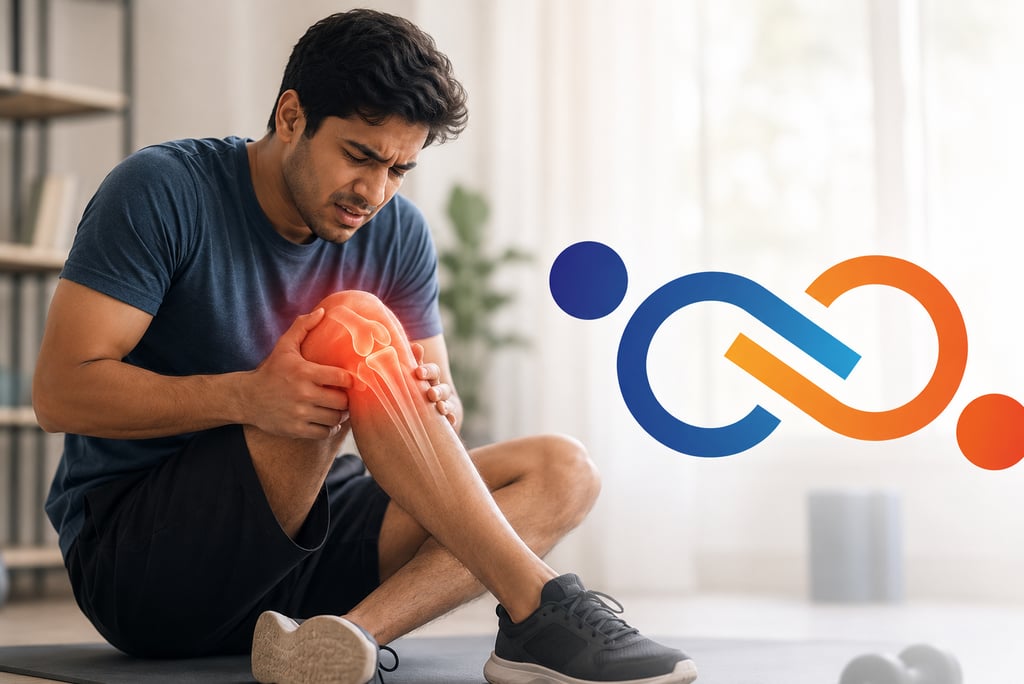
Knee Pain Is Not Just an Old Age Problem: Why Does It Happen in Young Adults
For many years, knee pain has been associated with growing older. Most people believe that painful knees are a natural part of aging and that only senior citizens need to worry about joint problems. However, that belief is no longer true. Today, an increasing number of young adults in their 20s and 30s are experiencing knee pain that affects their daily lives, fitness routines, and even their careers.
Whether you're a student, a working professional, an athlete, or someone who spends long hours sitting at a desk, knee discomfort can develop for several reasons. Ignoring the pain or assuming it will disappear on its own can often make the condition worse.
In this blog, we'll explore why knee pain is becoming more common among young adults, its possible causes, warning signs, and practical ways to protect your knee health.
Why Are Young Adults Experiencing Knee Pain?
Modern lifestyles have changed significantly over the past decade. While technology has made life easier, it has also reduced physical activity for many people. Long hours spent sitting in front of computers, poor posture, unhealthy eating habits, and lack of regular exercise all contribute to weaker muscles and increased stress on the knee joints.
On the other hand, some young people push their bodies too hard. High-intensity workouts without proper technique, excessive running, heavy weightlifting, or participating in sports without warming up can increase the risk of knee injuries.
Simply put, both too little movement and too much strain can lead to knee problems.
Common Causes of Knee Pain in Young Adults
1. Sports Injuries
Sports such as football, cricket, basketball, badminton, and running place repeated stress on the knees. Sudden twists, awkward landings, or direct impacts may damage ligaments, cartilage, or tendons.
Injuries like ACL tears, meniscus damage, or tendon inflammation are no longer limited to professional athletes. Even recreational players can experience them.
2. Overuse of the Knee Joint
Repeating the same movements every day can gradually irritate the tissues surrounding the knee. Activities such as climbing stairs repeatedly, cycling long distances, squatting with heavy weights, or running without proper recovery may lead to overuse injuries.
Initially, the discomfort may seem mild, but continuous strain can make the pain more persistent.
3. Excess Body Weight
Extra body weight places additional pressure on the knees every time you stand, walk, or climb stairs. Even a small increase in weight significantly increases the force experienced by the knee joint.
Over time, this additional stress may contribute to joint discomfort and early wear of the cartilage.
4. Weak Muscles
Strong muscles around the hips, thighs, and calves help support the knees. When these muscles become weak due to inactivity, the knee joint has to absorb more impact during movement.
This imbalance often results in pain during activities like walking, running, or standing for long periods.
5. Poor Posture and Sedentary Lifestyle
Many young professionals spend eight to ten hours sitting every day. Limited movement causes muscles to tighten while reducing joint flexibility.
Poor sitting posture, crossed legs for long periods, and inadequate stretching can gradually affect knee alignment and movement patterns.
6. Vitamin and Nutritional Deficiencies
Low levels of Vitamin D, calcium, or other essential nutrients may contribute to weaker bones and muscles. While nutritional deficiencies are not always the direct cause of knee pain, they can increase the likelihood of discomfort and slower recovery from injuries.
Symptoms You Should Not Ignore
Knee pain does not always begin suddenly. In many cases, it develops gradually.
Some common warning signs include:
Pain while climbing or descending stairs
Swelling around the knee
Stiffness after sitting for long periods
Clicking or popping sounds during movement
Difficulty bending or straightening the knee
Pain after exercise or physical activity
Feeling that the knee is unstable or may "give way"
If these symptoms continue for several days or become more severe, professional medical evaluation is recommended.
Can Knee Pain Be Prevented?
In many cases, yes.
Although accidents cannot always be avoided, adopting healthy habits can significantly reduce the risk of developing knee problems.
Some practical preventive measures include:
Stay Physically Active
Regular walking, cycling, swimming, and stretching help maintain joint mobility and muscle strength.
Strengthen Supporting Muscles
Exercises targeting the quadriceps, hamstrings, glutes, and calves improve knee stability and reduce unnecessary stress on the joint.
Maintain a Healthy Weight
Keeping your body weight within a healthy range reduces pressure on your knees during everyday activities.
Warm Up Before Exercise
A proper warm-up prepares muscles and joints for activity while reducing the risk of injury.
Wear Appropriate Footwear
Supportive shoes help maintain proper alignment and reduce impact on the knees during walking or running.
Avoid Sudden Increases in Physical Activity
If you're starting a fitness routine, increase intensity gradually rather than trying to do too much too soon.
When Should You See a Doctor?
Occasional soreness after intense physical activity is usually not a cause for concern. However, certain symptoms require medical attention.
Consult a healthcare professional if:
Pain lasts longer than a few days.
Swelling continues to increase.
You cannot bear weight on the affected leg.
The knee locks or repeatedly gives way.
You notice redness, warmth, or fever along with joint pain.
The pain keeps returning despite rest.
Early diagnosis often prevents small problems from becoming long-term joint conditions.
Treatment Options
The right treatment depends on the underlying cause of the pain.
Doctors may recommend:
Rest and activity modification
Physiotherapy
Muscle strengthening exercises
Ice or heat therapy
Lifestyle modifications
Weight management
Supportive braces when appropriate
Medications for temporary pain relief if required
For certain injuries, additional investigations such as X-rays or MRI scans may be necessary to determine the exact cause.
It's important to avoid self-medicating or ignoring persistent symptoms, as delayed treatment may prolong recovery.
Final Thoughts
Knee pain is no longer a condition that affects only older adults. Busy lifestyles, prolonged sitting, sports injuries, obesity, and muscle weakness have made knee discomfort increasingly common among young people.
The encouraging news is that many knee problems can be prevented with regular exercise, proper nutrition, healthy body weight, and early medical attention when symptoms appear.
Listening to your body is one of the best ways to protect your joints. If your knees continue to hurt, don't assume it's normal or something you simply have to live with. Seeking timely evaluation and appropriate care can help you stay active, mobile, and pain-free for years to come.