
Knee Pain Relief: Prevention, Treatment & Physiotherapy Recovery Guide
Knee pain is increasingly common due to modern lifestyles, affecting people of all ages—from athletes to office workers and seniors. This guide explains the most common knee injuries, their causes, and effective prevention strategies. Learn how physiotherapy plays a key role in reducing pain, restoring mobility, and helping you recover safely without relying on medication or surgery.
Movemend - Best Physiotherapy Clinic (Sports Injury and Rehab Centre) in pitampura
5/2/20264 min read
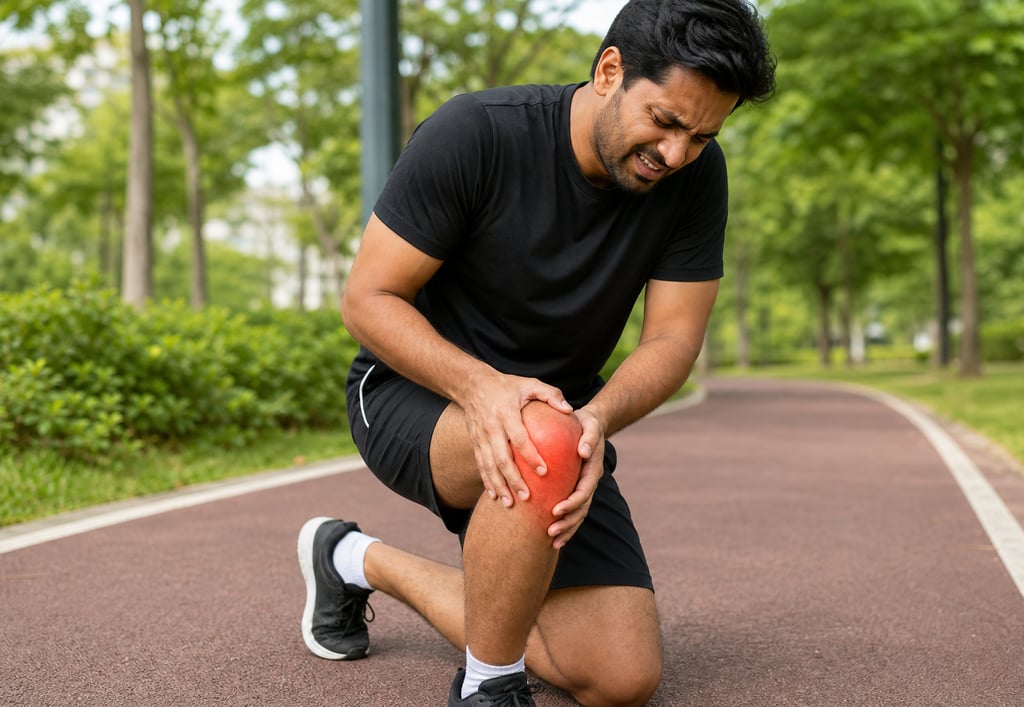
KNEE PAIN RELIEF
Prevention, Treatment, and How Physiotherapy Helps You Recover
preface
Knee pain has come decreasingly common among Pitampura residers due to our fast- paced life. Whether you are navigating crowded requests at Netaji Subhash Place, playing justice on neighborhood grounds, sitting long hours in office chairpersons, or simply climbing the multitudinous stairs in Delhi structures, your knees bear constant stress. From youthful athletes suffering sports injuries to working professionals dealing with overuse pain and seniors managing arthritis, knee problems affect people across all age groups and exertion situations.
The good news is that utmost knee pain responds excellently to activity treatment. At Movemend Physiotherapy Clinic – honored as Pitampura's premier knee pain treatment center – our specialist physiotherapists use substantiation- grounded protocols to exclude pain, restore full function, and help rush. Rather than masking symptoms with anodynes or rushing to surgery, we address the root causes through targeted recuperation that gets you back to normal conditioning within weeks.
This comprehensive companion explores the most current knee injuries seen at our clinic, practical forestallment strategies for maintaining knee health, and our step- by- step activity approach that constantly delivers outstanding results for Pitampura cases.
Types Of Knee Injury
Runner's Knee
Definition Pain around the kneecap caused by indecorous shadowing of the patella within the femoral groove during knee bending and uncurling movements.
Common Beget Overuse from repetitious conditioning like running on hard shells similar as Pitampura roads, weak quadriceps muscles, tight hamstrings, or unforeseen increases in training volume without acceptable medication.
Example Sharp pain endured specifically when climbing stairs, squinching, or after prolonged sitting when first standing up – a frequent complaint among original joggers and fitness suckers.
Meniscus Tear
description Damage to the C- shaped fibrocartilage that cocoons the knee joint between femur and tibia bones, acting as shock absorber.
Common Beget unforeseen wringing or rotating movements common in sports like football and justice, deep syllables with poor form, or awkward cascade wharf with knee flexed and rotated.
illustration Case generally hears or feels a" pop" at injury moment followed by rapid-fire lump within hours, knee may lock during movement or produce clicking sensations.
Osteoarthritis
Definition Progressive degeneration of knee joint cartilage leading to bone- on- bone contact, inflammation, and conformation of bone spurs over time.
Common Beget Natural aging process accelerated by redundant body weight, repetitious high- impact conditioning, inheritable predilection, former knee injuries, or vitamin D insufficiency common in Delhi.
illustration Case wakes with knee stiffness lasting further than 30 twinkles, gests pain that worsens throughout the day especially after walking or standing, and notices gradational swelling around the joint.
Ligament Sprain
Definition Stretch, partial gash, or complete rupture of stabilizing ligaments around the knee including anterior cruciate ligament( ACL), medium collateral ligament( MCL), or side collateral ligament( LCL).
Common Beget Direct impact during contact sports, rapid-fire directional changes with planted bottom, hyperextension during cascade, or road business accidents common on Delhi roads.
Example Injured knee feels unstable and constantly" gives way" during normal walking, patient gests significant bruising and swelling, unfit to perform single- leg balance.
Prevention of Knee Injuries
Use Proper outfit
Athletes and active individualities must invest in high- quality athletic footwear specifically designed for their sport and body weight. handling shoes should be replaced every 500 kilometers as worn soles significantly increase impact forces transmitted to knees. Custom orthotics specified after gait analysis at Movemend correct biomechanical faults like overpronation that stress knee joints.
Hydration and Nutrition
Maintaining optimal hydration situations keeps knee common synovial fluid at proper density for smooth cartilage gliding. nutritive strategies include consuminganti-inflammatory foods rich in omega- 3 adipose acids, turmeric curcumin, and gusto daily. Collagen supplements combined with vitamin C enhance cartilage matrix form while addressing vitamin D insufficiency prevents early osteoarthritis development.
Proper Warm- Up and Cool-Down
Any training session must begin with 10- 15 twinkles of dynamic warm-up movements including leg swings, walking jabs, and high knees to prepare knee joints for impact lading. Post-exercise cool- down involves static stretching held 30 seconds per muscle group fastening on quadriceps, hamstrings, pins, and hipsterism flexors to maintain inflexibility and promote recovery.
precluding knee injuries through these methodical measures enables Pitampura residers to maintain harmonious training schedules and enjoy sports without painful interruptions or lapses.
Rehabilitation and Recovery
Acute Phase
First 72 hourspost-injury bear strict adherence to RICE protocol Rest injured knee fully, Ice operation for 15 twinkles every 2 waking hours, Compression dressing to control swelling, and Elevation above heart position whenever sitting or lying down. This critical phase focuses simply on inflammation control and precluding complications like inordinate scar towel conformation.
Sub-Acute Phase
Once acute inflammation subsides( generally days 4- 10), recuperation progresses to gentle range of stir restoration. Therapist- guided exercises include heel slides restoring knee flexion, straight leg raises strengthening quadriceps without joint stress, and stationary cycling with minimum resistance to ameliorate rotation while guarding mending apkins fromre-injury threat.
Strengthening Phase
Week 4 onwards introduces progressive resistance training targeting all muscles stabilizing the knee complex. Single- leg balance progressions develop proprioception, step- up exercises restore functional strength, controlledmini-squats rebuild squinching mechanics, and side band walks strengthen hipsterism abductors pivotal for knee alignment during dynamic movements.
constantly asked questions
1. What are the most common types of knee injuries?
The most common knee injuries include sprains and strains to ligaments and muscles around the knee joint, meniscus gashes from wringing mechanisms, patellofemoral pain pattern generally called runner's knee, osteoarthritis from progressive cartilage wear and tear, and bursitis from repetitious pressure over kneeling shells.
2. What's the treatment for knee injuries?
Treatment follows substantiation- grounded protocol beginning with RICE for inflammation control, comprehensive activity program fastening on mobility restoration followed by progressive strengthening, short- termanti-inflammatory specifics for pain operation when demanded, defensive bracing or taping during recuperation phase, with surgery considered only for complete ligament ruptures or mechanically locked pail- handle meniscus gashes.
3. How can I help knee injuries?
Prevention requires methodical medication including proper dynamic warm- up ahead all conditioning, selection of quality footwear matched to specific sport conditions, conservation of healthy body weight reducing common lading forces, perpetration of balanced strength.