
SPORTS INJURIES
Prevention, Treatment, and How Physiotherapy Helps You Recover
INTRODUCTION
Sports injuries are an inevitable part of athletic performance and physical activities. Whether you're an aspiring amateur or a seasoned professional, injuries are bound to occur due to the intensity and strain placed on your body. From sprained ankles to torn ligaments, these injuries can prevent you from performing at your peak and may even halt your progress for weeks or months. But what if recovery didn’t have to be a long and painful process? What if, with the right treatment, you could bounce back faster, stronger, and even prevent future injuries?
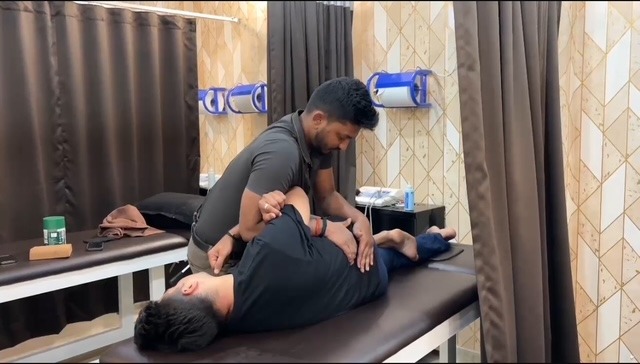
At Movemend Physiotherapy Clinic, we specialize in treating a wide range of sports injuries and helping individuals recover swiftly and safely through targeted physiotherapy treatments. Physiotherapy not only focuses on rehabilitation but also emphasizes injury prevention, allowing athletes to maintain peak performance and stay injury-free for longer.
In this blog, we’ll discuss the most common sports injuries, how you can prevent them, and how our physiotherapy treatments can help you get back to your best self — quickly and safely. Whether you're an athlete, a weekend warrior, or simply someone who enjoys an active lifestyle, understanding the importance of physiotherapy in injury recovery and prevention is essential.
Types Of Sports Injury
Shin Splints
Definition: Pain in the muscles and tendons of the lower leg, typically around the lower tibia.
Common Cause: Overuse, running on hard surfaces, improper footwear.
Example: Pain in the front of the lower leg during or after running.
Fractures
Definition: A bone break due to high impact or trauma.
Common Cause: Hard falls, direct hits, excessive force.
Example: Broken wrist from a fall in football, broken leg from a tackle.
Definition: Inflammation of tendons (muscle to bone connectors).
Common Cause: Repetitive movement, overuse of muscles.
Example: Tennis elbow (lateral epicondylitis), golfer’s elbow, runner's knee.
Tendonitis
Prevention of Sports Injuries
Use Proper Equipment
It's crucial to use the appropriate gear for each sport. For example, running shoes, shin guards, helmets, and knee pads can help protect against injuries.
Hydration and Nutrition
Keeping your body hydrated and taking proper nutrition is essential. It supports the muscles and helps prevent fatigue.
Proper Warm-Up and Cool-Down
Warming up before every session and cooling down after helps relax the muscles and reduces the chances of injury.
Preventing sports injuries is an essential part of being an athlete. By taking proper preventive measures, you can improve your performance and avoid injuries.
Rehabilitation and Recovery
Sub-Acute Phase
In this phase, gentle exercises are started, such as stretching and mobility exercises, to improve muscle flexibility and strength.
Strengthening Phase
This phase includes strengthening exercises and functional drills to help rebuild muscle strength after an injury.
Acute Phase
After an injury, the first step involves rest, ice, compression, and elevation. This phase focuses on pain management and reducing swelling.
When you are recovering from an injury, the rehabilitation process is very important. It ensures that you return to your performance levels safely.
Frequently asked questions
1. What are the most common types of sports injuries?
The most common sports injuries include:
Sprains and strains: Injury to ligaments (sprain) or muscles/tendons (strain).
Fractures: Broken bones caused by sudden impact.
ACL Tears: A knee ligament injury common in contact sports.
Tendonitis: Inflammation of tendons due to overuse.
Shin Splints: Pain in the lower leg due to repetitive stress, especially in runners.
Dislocations: When a bone is pushed out of its joint.
4. What is the treatment for sports injuries?
Treatment for sports injuries typically involves:
Rest, Ice, Compression, and Elevation (R.I.C.E) for initial pain management and swelling reduction.
Physiotherapy for rehabilitation, strengthening exercises, and mobility restoration.
Medications like pain relievers (e.g., ibuprofen) for inflammation and pain management.
In more severe cases, surgery might be necessary, especially for fractures or ligament tears (e.g., ACL surgery).
2. How can I prevent sports injuries?
To prevent sports injuries, follow these tips:
Always warm up before activity and cool down after.
Use proper sports equipment such as shoes, pads, and helmets.
Stay hydrated and eat a balanced diet for muscle recovery.
Incorporate strength training and flexibility exercises to protect muscles and joints.
Learn and practice the correct technique for your sport to avoid injuries caused by improper movements.
5. How long does it take to recover from a sports injury?
Recovery time varies depending on the type and severity of the injury:
Minor injuries (like sprains or strains) can take a few days to weeks.
Fractures and ligament tears may take several weeks to months to heal, with physiotherapy aiding recovery.
Severe injuries requiring surgery can take several months for full recovery and rehabilitation.
3.When should I seek medical attention for a sports injury?
You should seek medical attention if:
You experience severe pain that doesn’t improve with rest.
There’s significant swelling or bruising that doesn't subside.
The injured area feels deformed, or there’s a visible injury like a bone sticking out (fracture or dislocation).
You have trouble moving the injured body part.
The pain persists even after taking rest and over-the-counter pain relief.
6. Can physiotherapy help with sports injuries?
Yes, physiotherapy plays a crucial role in sports injury recovery. It helps:
Reduce pain and inflammation through targeted treatments like manual therapy.
Restore mobility and flexibility to the injured area.
Strengthen muscles to prevent future injuries.
Improve balance and coordination, especially after joint or muscle injuries.
Physiotherapists also guide athletes through proper rehabilitation and sports-specific training.
Sports Injuries: Prevention, Treatment, and How Physiotherapy Helps You Recover
Movemend Physiotherapy Clinic
SPORTS PHYSIOTHERAPY
12/27/20254 min read