
The Complete Guide to Physiotherapy: Benefits, Techniques, and When to Seek Treatment
Discover everything you need to know about physiotherapy, from common techniques and treatments to who can benefit most. Learn how physiotherapy helps relieve pain, improve mobility, and support recovery from injuries, surgery, and chronic conditions. Start your journey to a healthier, pain-free life today.
Movemend - Best Physiotherapy Clinic (Sports Injury and Rehab Centre) in pitampura
6/1/20266 min read
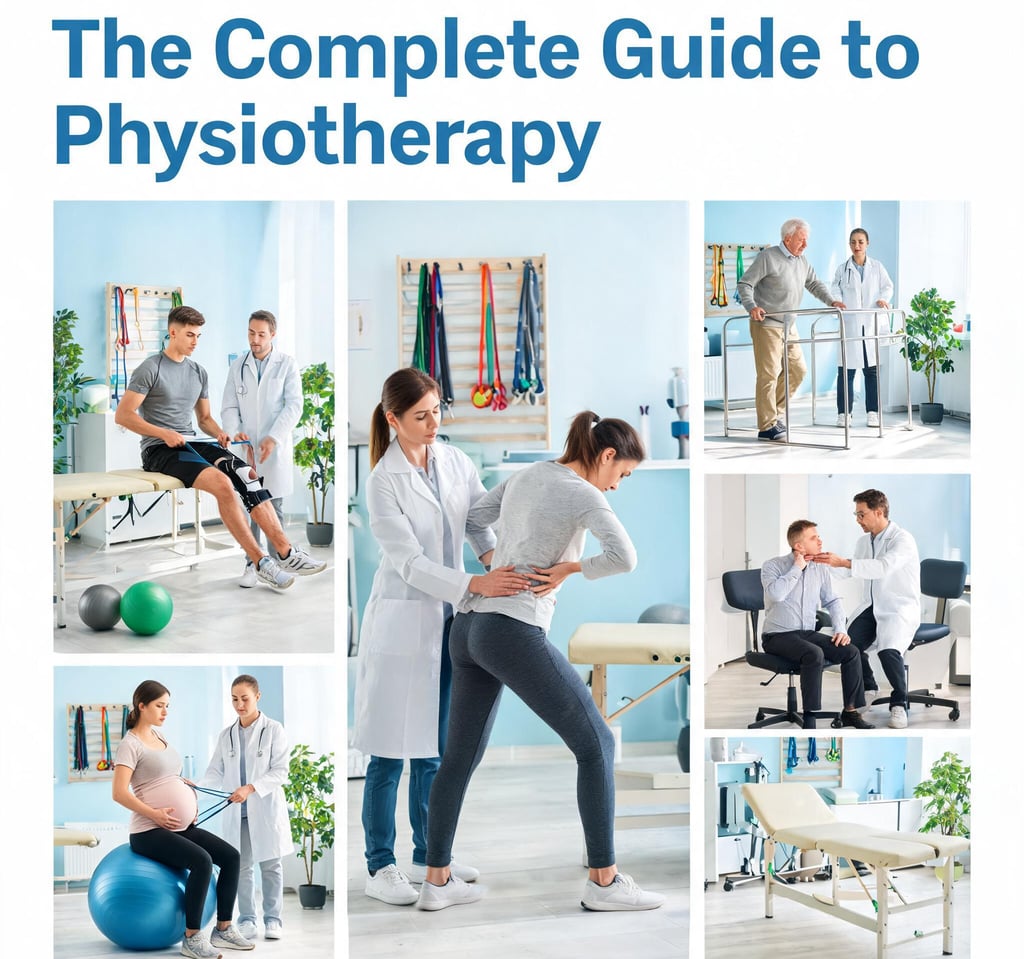
The Complete Guide to Physiotherapy: What It Is, Who Needs It, and How It Works
Introduction
Have you ever wondered what physiotherapy really is? Or when you should see a physiotherapist instead of a doctor? Maybe you have heard people say I went to physio for my back pain but you are not sure what actually happens during treatment. This guide will answer all your questions about physiotherapy in simple, easy-to-understand language.
Physiotherapy is one of the most effective treatments for pain, injury, and movement problems, yet millions of people do not know when to use it or what to expect. By the end of this article, you will understand exactly how physiotherapy can help you or your loved ones recover faster, move better, and live without pain.
What Is Physiotherapy?
Physiotherapy, also called physical therapy, is a healthcare profession that helps people restore movement and function when they are affected by injury, illness, or disability. Unlike medication that simply masks symptoms, physiotherapy treats the root cause of your problem.
Physiotherapists are highly trained healthcare professionals who use manual therapy like hands-on techniques such as massage and joint mobilization, therapeutic exercises which are customized movements to strengthen weak muscles, education by teaching you how to prevent future problems, and modalities like tools such as ultrasound, electrical stimulation, heat, and ice.
The goal is not just to reduce pain but to help you return to your normal activities, whether that is running, playing with your kids, working at your desk, or simply walking without discomfort.
Who Needs Physiotherapy?
You might think physiotherapy is only for athletes with sports injuries, but that is a myth. Here are the main groups of people who benefit from physiotherapy.
People with pain including back pain which is the most common reason people seek physio, neck pain especially from desk jobs, knee pain from arthritis, injury, or overuse, shoulder pain like frozen shoulder or rotator cuff injuries, and headaches since many originate from neck tension.
People recovering from injury such as sports injuries like sprains, strains, tears, falls and fractures, and car accident injuries like whiplash and soft tissue damage.
People recovering from surgery including knee or hip replacement, ACL reconstruction, spine surgery, shoulder surgery, and any surgery that affects movement.
People with chronic conditions like arthritis both osteoarthritis and rheumatoid arthritis, Parkinson disease, multiple sclerosis, stroke recovery, and diabetes-related nerve problems.
People with posture and work-related problems including desk job workers with neck and back pain, people with repetitive strain injuries, and computer users with wrist pain like carpal tunnel.
Special populations like pregnant women for back pain, pelvic pain, preparation for childbirth, new mothers for postpartum recovery and pelvic floor weakness, older adults for balance training, fall prevention, mobility improvement, and children for developmental delays, cerebral palsy, sports injuries.
What Happens During Your First Physiotherapy Session?
Many people feel nervous about their first physiotherapy visit. Here is exactly what to expect.
Step 1 is a detailed assessment lasting 30 to 45 minutes. Your physiotherapist will ask about your medical history including past injuries, surgeries, conditions, ask about your current symptoms like when did it start and what makes it better or worse, perform a physical examination to test your range of motion, strength, flexibility, posture, and possibly ask you to walk, sit, bend, or perform specific movements.
Step 2 is diagnosis and explanation. After the assessment, your physiotherapist will explain what is causing your pain in simple terms, show you which muscles are weak or tight, tell you how long recovery might take, and answer all your questions. A good physiotherapist will make sure you understand your condition before starting treatment.
Step 3 is a treatment plan. You will receive a personalized treatment plan that includes how many sessions you might need, what exercises to do at home, lifestyle changes to support recovery, and goals both short-term and long-term.
Step 4 is first treatment. In many cases, you will start treatment during your first session. This might include manual therapy like massage and joint mobilization, gentle exercises, advice on pain management, and heat or ice or other modalities.
Common Physiotherapy Techniques and Treatments
Physiotherapists use many different techniques depending on your condition.
Manual Therapy includes hands-on techniques such as soft tissue massage which releases muscle tension and improves blood flow, joint mobilization with gentle movements to improve joint flexibility, myofascial release that targets connective tissue, and trigger point therapy that relieves tight knots in muscles.
Therapeutic Exercise is the cornerstone of physiotherapy. It includes strengthening exercises to build weak muscles, stretching exercises to release tight muscles, stability exercises to improve core and joint control, and functional exercises that mimic daily activities.
Dry Needling uses thin needles inserted into tight muscle knots to release tension. This is different from acupuncture which is based on traditional Chinese medicine.
Electrotherapy includes TENS which is Transcutaneous Electrical Nerve Stimulation that reduces pain by blocking pain signals, Ultrasound uses sound waves to reduce inflammation and promote healing, and Laser therapy promotes tissue repair.
Heat and Cold Therapy includes ice which reduces inflammation for acute injuries and heat which relaxes muscles and improves blood flow for chronic pain.
Education and Lifestyle Advice is often the most important part. It includes proper posture for sitting, standing, sleeping, ergonomic setup for desk, chair, computer, activity modification for what to avoid and what is safe, and home exercise program.
How Long Does Physiotherapy Take?
Recovery time varies depending on several factors.
Acute back pain typically takes 2 to 4 weeks and needs 4 to 8 sessions.
Neck pain typically takes 3 to 6 weeks and needs 6 to 10 sessions.
Knee injury typically takes 4 to 8 weeks and needs 8 to 12 sessions.
Post-surgery rehab typically takes 6 to 12 weeks and needs 12 to 20 sessions.
Chronic pain typically takes 8 to 12 weeks and needs 10 to 15 sessions.
Stroke recovery typically takes 3 to 6 months or more and is ongoing.
Important: You might feel improvement after the first 2 to 3 sessions, but completing the full program is crucial to prevent relapse.
Physiotherapy vs Medication
Medication masks symptoms temporarily, has possible side effects, does not improve function, and long-term use can be harmful.
Physiotherapy treats root cause, has no side effects, improves strength and mobility, and builds long-term self-reliance.
Physiotherapy vs Surgery
For many conditions, physiotherapy can avoid the need for surgery. Sixty to seventy percent of back pain cases improve with physio alone. Many knee injuries can be managed without surgery. Shoulder problems often respond well to exercise before considering surgery.
When surgery is necessary, physiotherapy after surgery speeds up recovery.
Myths About Physiotherapy
Myth 1: Physiotherapy is just massage. Reality: Massage is just one small part. The real work happens through exercises and education that you continue at home.
Myth 2: Physiotherapy is painful. Reality: You might feel some discomfort during treatment, but it should never be unbearable. A good physiotherapist adjusts intensity based on your tolerance.
Myth 3: I should rest until pain goes away. Reality: Complete rest often makes things worse. Gentle movement and graded exercise are key to recovery.
Myth 4: Once pain is gone, I can stop. Reality: Stopping too early leads to relapse. Continue strengthening exercises even after pain resolves.
Myth 5: Only young, active people need physio. Reality: People of all ages benefit, from children to seniors.
Movemend - Best Physiotherapy Clinic (Sports Injury and Rehab Centre) in Pitampura
If you are looking for the best physiotherapy in Delhi, Movemend Physiotherapy Clinic in Pitampura is your answer. We specialize in sports injury treatment and rehabilitation, offering personalized care to help you recover faster and move better.
Why Choose Movemend Physiotherapy?
Expert Physiotherapists: Our team includes Dr. Lagan Singhal PT, a highly experienced sports physiotherapist with 4.9-star ratings from 250+ happy patients
Specialized Services: Sports Injury & Rehab, Back Pain Treatment, Neck Pain, Shoulder Pain, Knee Pain, Post-Surgery Rehabilitation, Posture Correction, and more
Personalized Treatment Plans: Every patient gets a customized program designed for their specific condition and goals
Modern Equipment: We use the latest physiotherapy tools including manual therapy, electrotherapy, ultrasound, and therapeutic exercises
Proven Results: 250+ positive reviews on JustDial, with patients reporting significant pain relief and faster recovery
Our Services Include:
Sports Injury Treatment for athletes and active individuals
Back Pain Relief through manual therapy and exercise
Neck Pain Treatment especially for desk job workers
Post-Surgery Rehabilitation for knee, hip, shoulder, and spine surgeries
Posterior Correction for long-term posture improvement
Knee Pain Management for arthritis and injury
Shoulder Pain Treatment including frozen shoulder and rotator cuff injuries
Walking Training and Mobility Improvement for seniors
The Long-Term Benefits of Physiotherapy
People who complete physiotherapy programs experience reduced or eliminated pain, improved mobility and flexibility, better balance and coordination, increased strength and stamina, lower risk of future injuries, reduced need for pain medication, improved quality of life, and ability to return to activities they love.
When to See a Physiotherapist Immediately
Do not wait if you experience: cannot bear weight on a leg or foot, sudden weakness in arm or leg, loss of sensation or numbness, loss of bladder or bowel control which is a medical emergency, severe pain after a fall or accident, pain that wakes you up at night, symptoms that do not improve after 1 week of rest.
Conclusion
Physiotherapy is not just about treating injuries, it is about empowering you to take control of your body. Unlike medication that offers temporary relief, physiotherapy teaches you the tools you need to stay healthy long-term.
If you are experiencing pain, limited movement, or recovering from surgery or injury, physiotherapy can help you recover faster and prevent future problems. The key is to start early, follow your treatment plan, and commit to your home exercises.
Remember: Your body is designed to move. Physiotherapy helps you get back to doing what you love, without pain, without limitations, and with confidence.
Book Your Appointment at Movemend Physiotherapy Today
Ready to start your recovery journey? Visit Movemend - Best Physiotherapy Clinic (Sports Injury and Rehab Centre) in Pitampura today. Our expert team is here to help you feel better, move better, and live pain-free.
Call us at 95602 61105 or visit us near MP Mall, Pitampura, Delhi. Your path to a healthier, pain-free life starts here!