
Why Your Pain Keeps Coming Back After Treatment — Causes and Long-Term Physiotherapy Solutions
Pain often returns even after treatment because the root cause is not fully addressed. Temporary relief from medicines or rest does not fix issues like muscle weakness, poor posture, or improper movement patterns. This blog explains the real reasons behind recurring pain and how physiotherapy focuses on long-term recovery by strengthening muscles, correcting posture, and improving body mechanics to prevent pain from coming back.
Movemend - Best Physiotherapy Clinic (Sports Injury and Rehab Centre) in pitampura
7/4/20264 min read
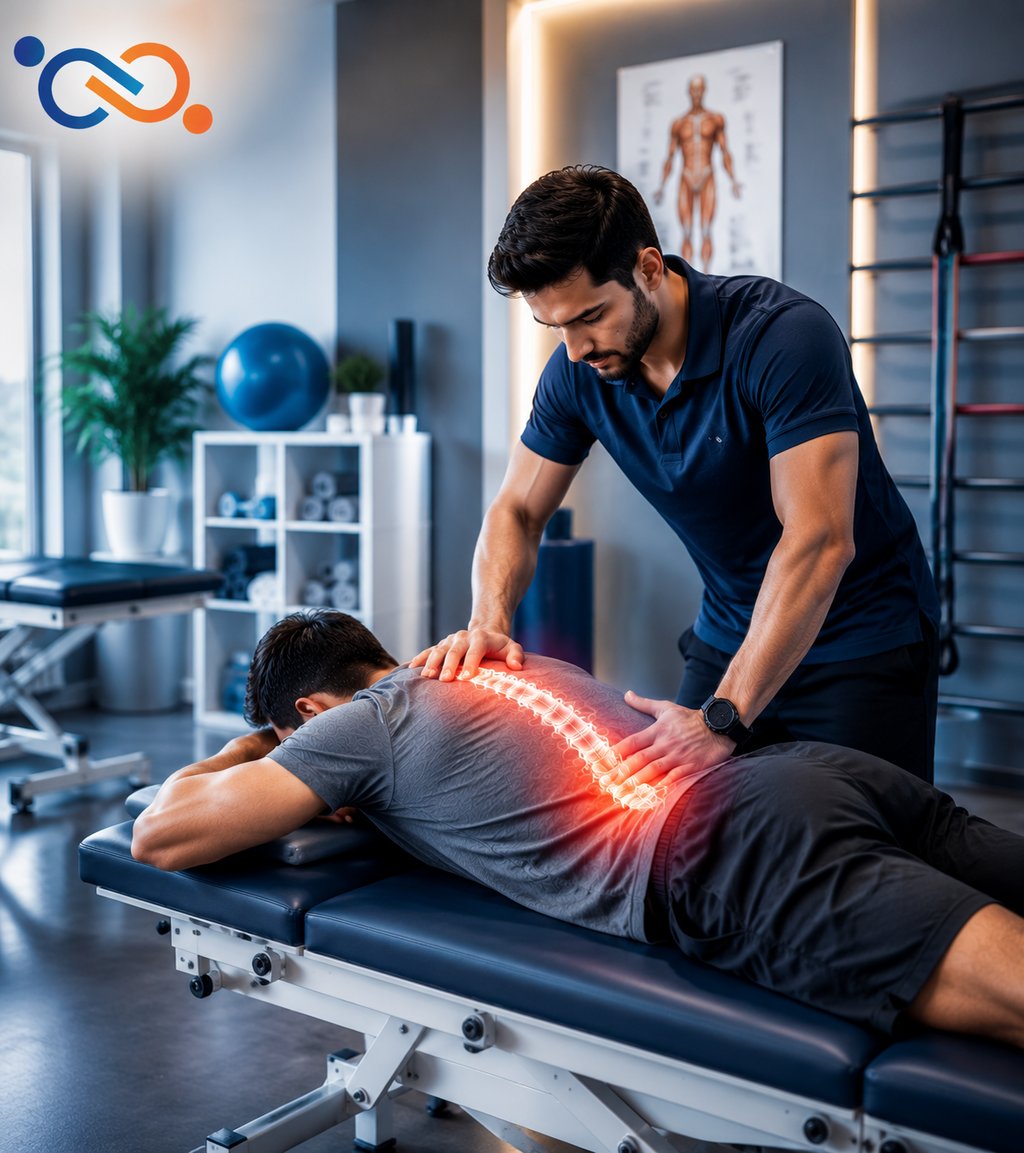

Why Your Pain Keeps Coming Back Even After Treatment — and How the Right Physiotherapy Can Help
Pain can be frustrating, especially when it seems to go away for a while and then return again. Many people feel relieved after taking medicines, resting for a few days, or even getting a short course of treatment, but then the same discomfort comes back after some time. This is one of the most common reasons people visit a physiotherapy clinic. They often ask the same question: why does the pain keep returning even after I have already treated it?
The answer is usually not as simple as “the pain was never treated.” In many cases, the pain improves for a while because the symptoms are reduced, but the real cause is still there. That is why it comes back again and again. Pain is often a signal that something in the body is not moving, functioning, or recovering the way it should. If only the symptom is addressed and not the root cause, the relief may only be temporary.
A very common reason pain returns is that the injured area never fully regains strength. For example, someone may have had back pain, neck pain, shoulder pain, or a sports injury and felt better after rest or medication. But if the muscles around that area remain weak, the body continues to be under stress. When the person returns to normal daily activity, the same strain appears again. In simple words, the pain is not always gone just because it is quiet for a few days.
Another reason is poor posture and movement habits. Many people spend long hours sitting at a desk, looking down at a phone, driving for long periods, or lifting things in the wrong way. These habits may not cause immediate pain, but over time they place repeated stress on certain joints and muscles. Even if a person gets treatment, the pain can return if the daily habits are never corrected. This is why physiotherapy is not only about treating pain; it is also about teaching the body to move better.
Sometimes people also recover too quickly. They start feeling better and assume the problem is fully solved, so they stop all exercises and skip follow-up care. This can be a mistake. Pain may reduce before the tissue is fully healed or before movement patterns are corrected. If the body is not given enough time to rebuild properly, the same issue can return after a small trigger, such as lifting a bag, sleeping in a bad position, or doing a workout too soon.
Stress and lifestyle also play a bigger role than many people realize. When the body is tired, sleep is poor, and stress levels are high, muscles become tighter and recovery slows down. A person may notice recurring headaches, neck stiffness, lower back pain, or body aches that seem to come and go without a clear reason. In many cases, the pain is not just physical. It is also linked to how the body is handling stress, rest, and daily load.
This is where proper physiotherapy makes a real difference. Instead of only focusing on short-term pain relief, a good physiotherapy plan looks at the whole picture. It begins with understanding where the pain is coming from, what is causing it, and what may be making it worse. Sometimes the problem is not in the exact place where the pain is felt. For example, knee pain may be related to hip weakness, or neck pain may be related to posture and upper back stiffness. A detailed assessment helps identify these hidden causes.
Physiotherapy also uses guided exercises to restore strength, flexibility, and control. These exercises are not random. They are selected based on the person’s condition, activity level, and recovery stage. This personalized approach helps the body heal in a more stable way. When the muscles and joints start working properly again, the chance of pain returning becomes much lower.
Manual therapy, posture correction, mobility work, and education are also important parts of recovery. When people understand why the pain is happening, they can avoid repeating the same mistakes. They learn how to sit better, stand better, lift safely, stretch properly, and return to activity at the right pace. This kind of guidance is often what separates short-term improvement from long-term recovery.
For many people, the biggest benefit of physiotherapy is not just pain relief, but confidence. When pain keeps coming back, people begin to fear movement. They stop exercising, avoid work tasks, and feel nervous about doing normal activities. With the right treatment plan, that fear slowly reduces. The person starts moving again with more trust in their body, which is an important part of recovery.
If you have been dealing with repeated pain, it may be a sign that your body needs more than temporary relief. It may need proper assessment, a customized rehab plan, and the right guidance to prevent the same issue from returning. That is exactly where physiotherapy can help. A good clinic does not just focus on reducing pain for today. It works to find out why the pain keeps coming back and how to stop that cycle for good.
At Movemend Physiotherapy, the focus is on helping people recover in a way that lasts. The goal is not only to ease pain, but also to improve movement, restore strength, and reduce the chances of the problem coming back. Whether you are dealing with recurring neck pain, back pain, sports injuries, or posture-related discomfort, the right physiotherapy care can make a real difference.
Pain should not become a routine part of life. If it keeps returning, your body is asking for more attention, not just faster relief. With proper treatment, active rehab, and the right habits, long-term improvement is possible.